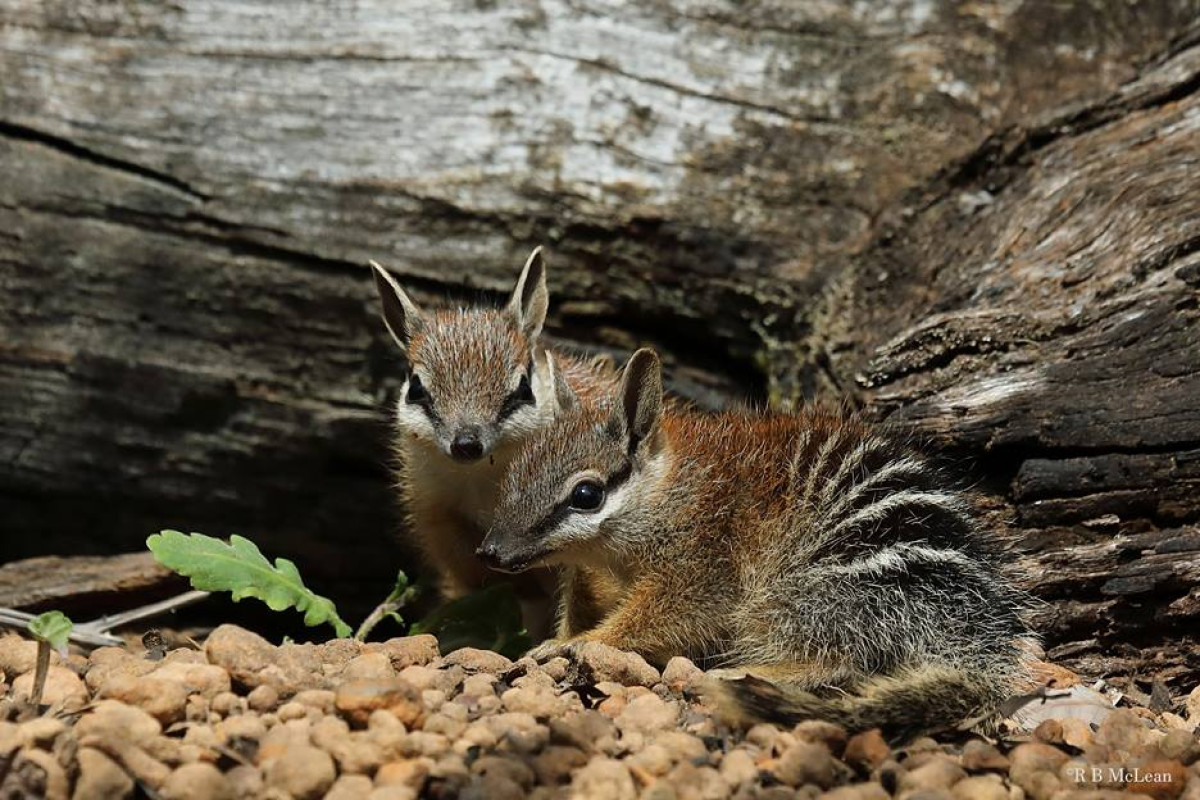
For the past year, the Numbat Task Force alongside Dr Tony Friend have been keeping a close eye on Numbats in the Dryandra Woodland National Park, building a clearer picture of how these remarkable animals are moving, surviving and responding to threats in the wild.
News
Over the 12-month monitoring period, 29 Numbats were tracked, recording 228 locations through routine radio-tracking. Ten additional wild Numbats were captured and fitted with radio collars during the year, expanding the amount of information researchers could gather from the population.
There was also an exciting boost for the wild population in November 2025, when four Numbats bred at Perth Zoo were released into Dryandra Woodland. Their release, alongside the continued monitoring of wild Numbats, is helping better understand what these animals need to survive and thrive.
Radio-tracking provides much more than a location on a map. Following individual Numbats allows researchers to monitor their survival and, when an animal is lost, investigate what may have happened.
The project identified predation by raptors, Western Quolls (Chuditch) and feral cats among the threats faced by Numbats during the monitoring period. This kind of information is critical for understanding the pressures on the population and helping guide future conservation management.

With this phase of the project now complete, the year of monitoring has delivered an important body of information about Numbats living at Dryandra Woodland.
Long-term monitoring like this helps conservation teams understand changes within threatened wildlife populations, identify emerging threats and make more informed decisions about how best to protect them.
As we mark Threatened Species Day on September 7, the Numbat is a powerful reminder that protecting one threatened species can have benefits that reach far beyond a single animal. By protecting the Numbat and its habitat, we’re also helping safeguard the many other native species that call places like Dryandra Woodland home.
When we save one species, we’re helping many.
To find out more, visit the project page
Photo: A juveline Numbat in the Dryandra Woodland National Park (Rob McLean)
Follow our cause in saving Australia's endangered wildlife, and receive newsletter updates on our latest projects and successes.