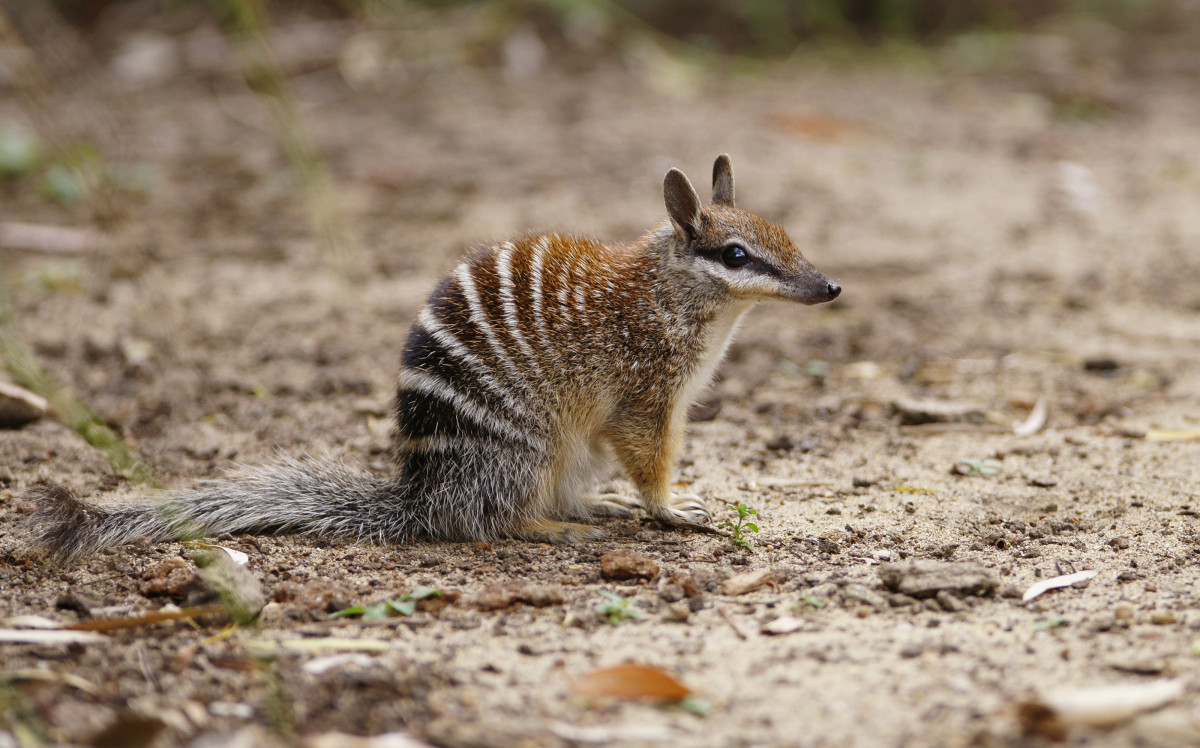
There’s encouraging news coming out of Dryandra Woodland National Park in Western Australia, one of the last strongholds for the endangered Numbat.
During the April 2026 Numbat Drive Survey, researchers recorded 23 Numbat sightings across the survey area, with population estimates suggesting around 352 Numbats may now inhabit Dryandra’s main block. Most importantly, long-term monitoring shows the population has remained stable over recent years, a remarkable achievement for one of Australia’s most threatened mammals.
The six-day survey, led by DBCA Research Associate Dr Tony Friend and the Numbat Task Force, also saw four Numbats safely captured, health checked, fitted with radio collars and released to support ongoing monitoring efforts. Another young male Numbat was examined and released without a collar.
Researchers credit the continued success of Dryandra’s Numbat population to intensive predator control programs targeting foxes and feral cats, work that has transformed the outlook for Numbats since additional cat control measures were introduced in 2015. Despite changing rainfall conditions and recent declines in other native species such as Woylies, Numbats in Dryandra continue to demonstrate resilience.
News
As Dr Friend explains, Numbats are naturally adapted to Australia’s dry environments and are surprisingly resilient to fluctuating rainfall. But without ongoing predator management, their future would remain uncertain.
FAME is proud to support the Dryandra Numbat monitoring project alongside the Peel-Harvey Catchment Council and the Lions Dryandra Woodland Village Board through the Numbat Task Force.
Follow our cause in saving Australia's endangered wildlife, and receive newsletter updates on our latest projects and successes.